Dark clouds moved in from the Gulf of Mexico toward Morgan City. A lone St. Mary Parish Sheriff’s deputy, driving a black and white Ford Fairlane with a single bubble light on the roof, idled past the Newport Motel. The deputy was heading east on Highway 90, seemingly on a routine patrol. The deputy observed the motel, taking in the biker gangs’ activities, saw their choppers and motorcycles, and caught a couple of beer bottles being thrown across the parking lot. The deputy kept driving and did not investigate further. Less than a mile from the hotel, he turned off the highway and drove into the parking lot of the local bowling alley.
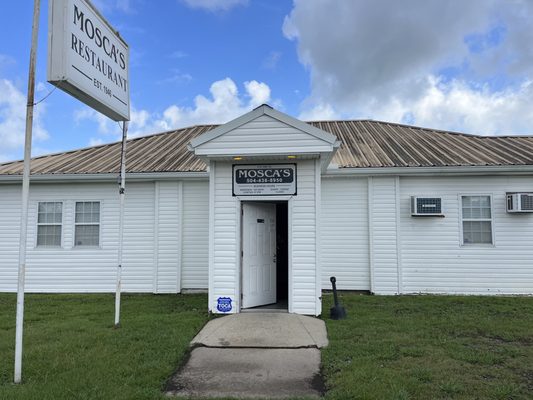
Pulling to a stop, he put the transmission in neutral and set the parking brake. He needed a cigarette, so he reached up and pulled a pack of Winston’s off the dash and fumbled for the book of matches in his shirt pocket. He shivered when he saw the matches were from Mosca’s, a Louisiana Creole Italian restaurant in Waggaman. Remembering why he had made the trip to Carlos Marcello’s restaurant caused him to reflect on the mistakes he had made and why he was doing what he was doing instead of performing his duties as an officer of the law. A gambling debt in one of Marcello’s establishments and the inability to repay that debt meant he was now working for the mob as an informant, hoping to settle the five grand he owed before he found himself chained to a cinder block and dropped into the Intracoastal Canal.
He took a pad and pen from the dashboard of his cruiser and began jotting down what he had seen at the Newport. After providing as much detail as possible, he wadded up his notes, put the car in gear and drove slowly over to the back of the Tastee Freeze hamburger joint that shared the same parking lot as the bowling alley. A man stood outside the hamburger place, smoking a cigarette, looking like he was waiting for a ride or maybe taking in the clouds wondering how soon the rain would begin. The officer parked his car in a space near the man. The men made eye contact, but instead of engaging in conversation, the deputy rolled down his car window and dropped the wadded piece of paper onto the concrete. The officer reversed the car from the parking space, put the car in forward, glanced over at the man, and after giving him a two-finger salute, pulled back onto Highway 90 and continued heading east.
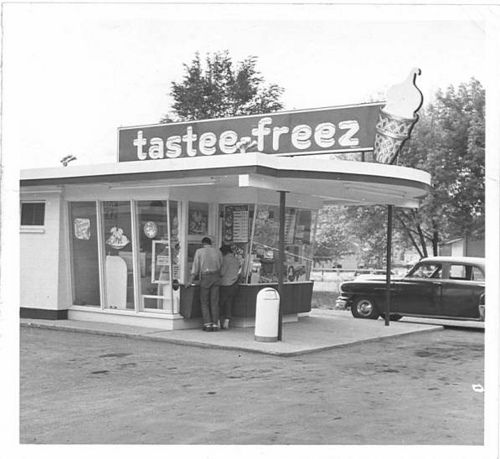
After observing the deputy’s departure, the man with the cigarette looked around the concrete slab to see if anyone had witnessed what had just occurred. The parking lot behind the Tastee Freeze held a few cars belonging to its employees but otherwise was empty of any activity. He flicked his cigarette butt close to the wadded-up piece of paper, casually walked to it and retrieved it from where it had been thrown by the deputy. The man stepped on the smoldering cigarette butt and then began walking toward the bowling alley.
Halfway across the parking lot, the sound of an approaching automobile caught the man’s attention. Looking over his right shoulder, he saw an approaching black Oldsmobile with four men in it heading close to where he had stopped. There were two men sitting in the front and two in the back. The driver stopped the car so that the man was standing in front of the rear driver’s side open window. A hand from inside the car reached through the window toward the man anticipating being handed something. The man in the parking lot dropped the wadded-up piece of paper into the outstretched hand of the man in the car, turned and walked back toward the Tastee Freeze. The car with the four men sped away.
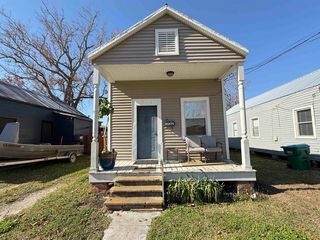
Several streets behind the bowling alley, a blue-collar neighborhood paralleled the Southern Pacific Railroad tracks, with most of the houses located on Railroad Avenue. Describing the road as an avenue was misleading and a bit pretentious. Row houses lined one side of the narrow street, all facing the railroad tracks on the other side of the street. There was nothing grand about the road or the neighborhood. Row after row of shotgun houses built close together, lined the forgettable and neglected street. However, Railroad Avenue did have one thing going for it. One of the houses was owned by an associate of Carlos Marcello, a man who had once served time in Angola Prison for attempted murder. The man’s present occupation was collecting debts owed to Marcello from businesses in Morgan City. He was one of the mafia kingpin’s friends in low places. His real name was seldom used because everyone called him Bugs.
As a kid, Bugs, or as his mother called him, Samuel, had a condition known as Hyperdontia. He had an extra pair of front incisors in addition to his normal set of teeth. These four upper teeth were very pronounced and difficult to miss whenever Bugs opened his mouth. At some point in second or third grade, a kid said Samuel looked like Bug’s Bunny, the “What’s up doc?” cartoon character. For his efforts in creating Samuel’s nickname, the kid was rewarded with a black eye and a busted lip, courtesy of Samuel. To his dismay, the nickname stuck and although he hated the nickname at first, Samuel eventually accepted it as just another low blow to his already crappy life.
The black Oldsmobile with the four men pulled in front of the shotgun house where Bugs lived. Wearing a solid chocolate Western-style shirt with ivory snaps, jeans and alligator hide boots, Bugs came out of the house, stepped down from the porch and walked toward the Oldsmobile. The rear driver’s side window was already down when Bugs stopped a foot from the door. A brief conversation ensued between Bugs and the man in the car. Mostly, Bugs nodded as the man spoke. Roughly five minutes passed before the man handed Bugs the same piece of paper that had been dropped in the parking lot by the sheriff’s deputy. If someone had been near enough to hear the end of the conversation, they would have heard the last words spoken by Bugs, “I’ll handle it.” The black Oldsmobile with the four men pulled away from Bugs’ house and continued down Railroad Avenue.
That evening, at approximately 3:28 am, the Morgan City Police Department received a call from a pay phone attached to the wall of the 5th Quarter Lounge. The caller said a fight had broken out between two groups of people at the Newport Motel. Before the caller hung up with the police dispatcher, he mentioned something about multiple injuries and broken motorcycles in the parking lot.
When the Morgan City police arrived, they found the motel to be empty of people, although various motorcycles, or rather parts of motorcycles were found in the parking lot. The doors to several motel rooms were left open giving evidence that the last occupants had left in a hurry. The rooms were littered with discarded clothing, beer bottles, cigarette butts and crusted pieces of pizza. The parking lot wasn’t much better. Scattered glass reflected the lights from nearby poles, dark red drops, later identified as blood, were in several places and oddly, one work boot and a torn leather jacket was left near a flattened chopper that had been left behind.
What wasn’t found by the police were answers. No one seemed to have seen anything. There were no witnesses to interview. Most importantly, the police wondered how a large gang of bikers and their entourage seemed to have crawled back so quickly into the hole they came from. There were clues to an apparent altercation between multiple individuals who left some of their blood and personal possessions on the concrete. Beyond that, there wasn’t much to go on.
These were hard men, not intimidated easily, who were usually the ones inflicting pain and misery on others. What caused them to scatter and disappear into the wind?
Three days after the Morgan City police received that phone call, the bodies of Manny ‘Chains’ Robichaux, Jason Estay, Dan ‘Swamp Boy’ Cantrell, were found floating in Bayou Boeuf with holes in their heads from gunshots, killed execution style. All three men were members of The Bayou Banditos and were last seen at the Newport motel.
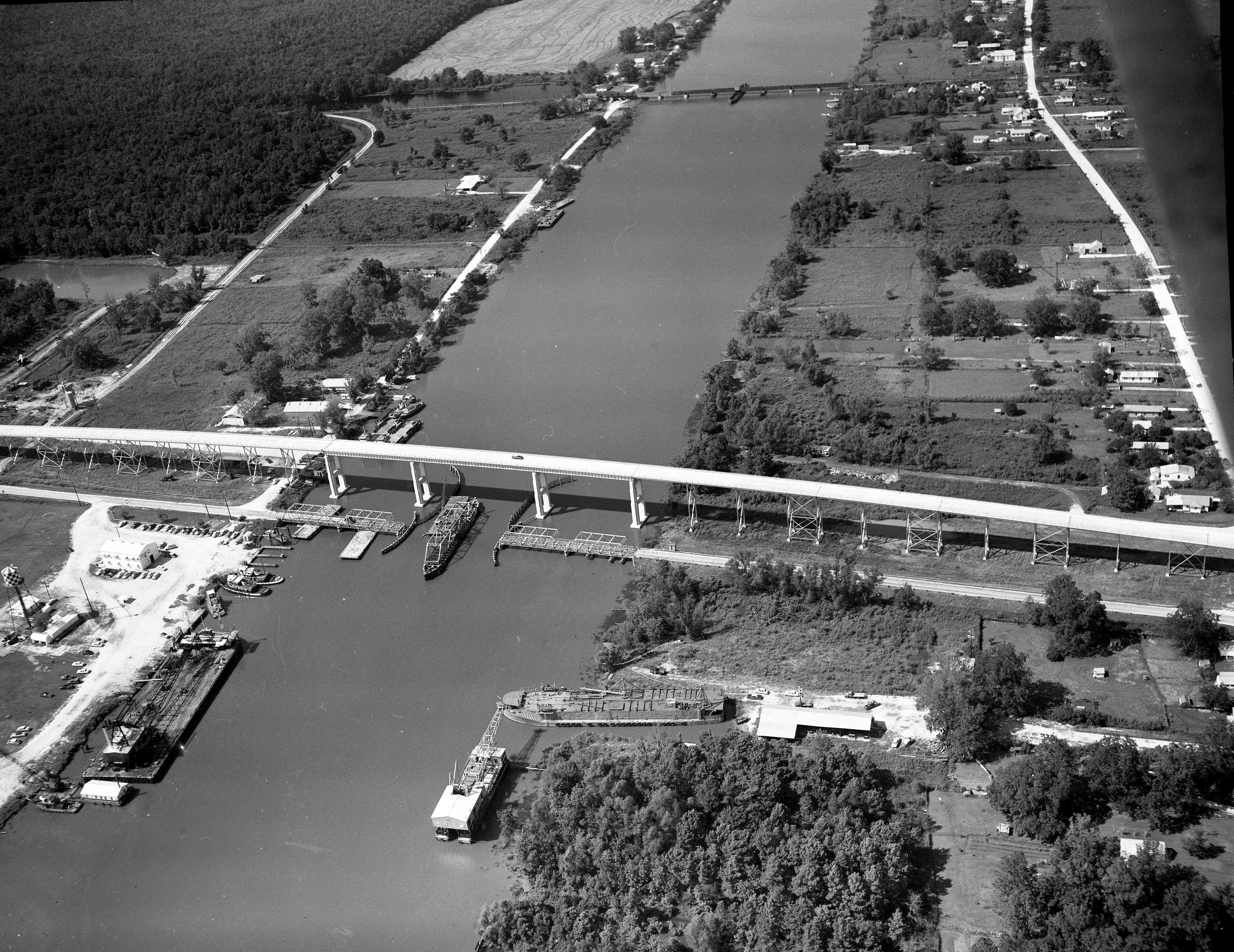
[Bayou Boeuf]. (ca. 1958). Ory Miguez Collection (UAAMC-COLL-0242, B1747). University Archives and Acadiana Manuscripts Collection, Edith Garland Dupré Library, University of Louisiana at Lafayette, Lafayette, LA.
Neither the Bayou Banditos nor any other biker gang was ever seen again at The Newport Motel. Message delivered. Message received.
For Carlos Marcello, his business enterprises at The Newport Motel returned with a steady flow of cash coming in, adding to the bottom line of his tomato company. Except for this incident in 1962 when Thomas Messina was summoned to the motel, the young man only returned three more times. Each visit, Messina picked up a sealed envelope and then promptly delivered it to Mr. Marcello.

 Pinball & Preachers